Chemical Spill Response: What to Do in the First 10 Minutes?
12/02/2026
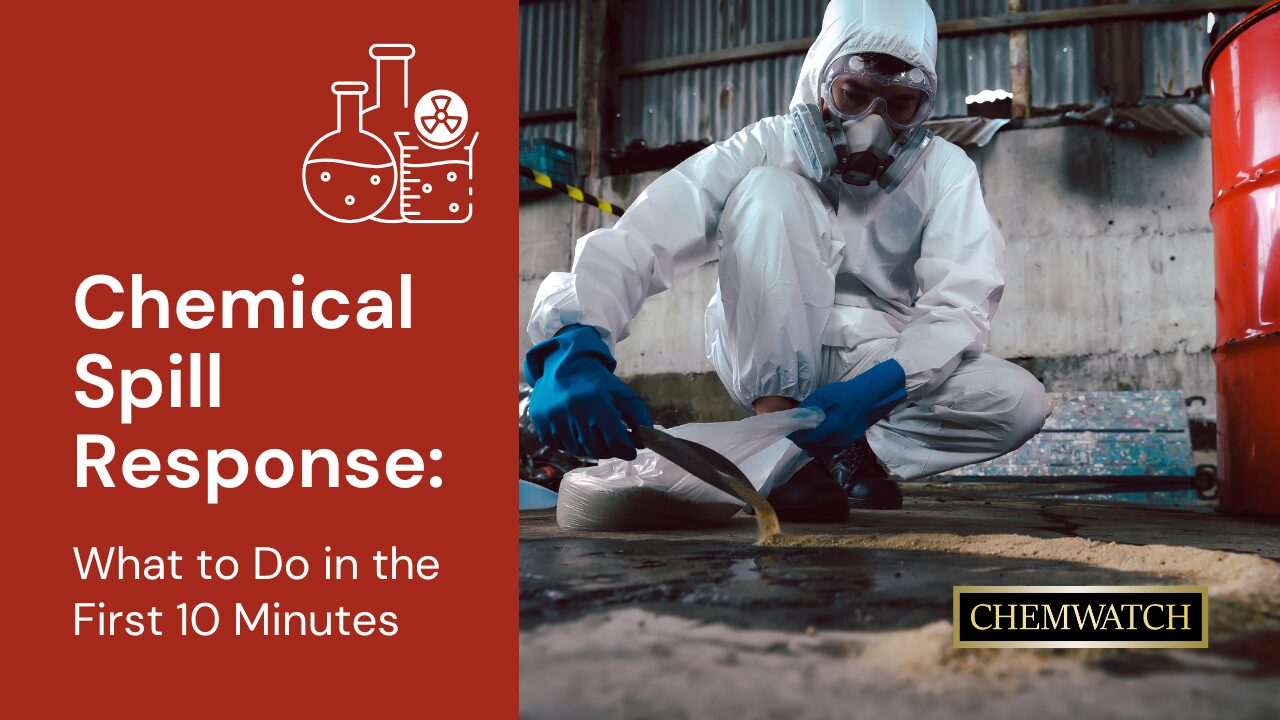
A chemical spill can turn a normal workday shift into a high-risk event in seconds. The actions you take in the first 10 minutes of a chemical spill are crucial for workplace chemical safety, preventing injuries, limiting environmental damage, and meeting regulatory duties. Whether you’re in a lab, factory, warehouse, or healthcare setting, a clear emergency chemical spill procedure makes all the difference.
It is crucial to know the actions to take in first 10 minutes of a chemical spill for workplace safety, to prevent injuries, limiting environmental damage and meeting regulatory duties.
Below is a practical, step-by-step chemical spill response playbook.
1) Don’t Rush In – Follow Chemical Spill Assessment Steps
Your first instinct may be to wipe it up, but rushing in can make things worse. Quickly determine:
If the chemical is unknown or highly hazardous (toxic, flammable, corrosive, reactive), escalate immediately and do not attempt solo cleanup.
2) Protect People First – Chemical Exposure First Aid
Human safety comes before containment.
Alert nearby workers and stop work in the area
Evacuate non-essential personnel
If anyone is exposed:
Use emergency showers/eyewash immediatelyRemove contaminated clothing carefully
Seek medical attention without delay
Early isolation prevents additional exposures and keeps the incident manageable.
3) Identify the Chemical – Consult SDS Spill Instructions
Once the area is stabilised, the Safety Data Sheet (SDS) is your primary reference. Check:
Hazards and incompatibilities
Required PPE for Chemical Spills
Spill and leak procedures
First aid measures
SDS sections most useful during a spill:
Section 2: Hazard Identification
Section 4: First Aid Measures
Section 6: Accidental Release Measures
Section 8: Exposure Controls / Personal Protection
Fast access, ideally via a digital chemical management system, reduces decision time, and improves workplace chemical safety.
4) Put On Appropriate PPE for Chemical Spills
Before containment or cleanup, wear PPE specified in the SDS. This may include:
Chemical-resistant gloves
Safety goggles/face shield
Protective clothing or apron
Respiratory protection (if vapours, mists, or dusts are present)
Using incorrect PPE can cause secondary contamination or serious injury.
5) Control the Source if Safe – Follow Emergency Chemical Spill Procedure
If safe to do so:
Upright a tipped container
Close a valve
Plug a small leak
Never take action that puts you at risk. For pressurised systems, unknown reactions, or dangerous fumes, wait for trained responders.
6) Spill Containment and Cleanup
In the first few minutes, stop spread:
Use chemical spill kit essentials: absorbent pads, socks, booms
Block floor drains to prevent environmental release
Keep the spill from reaching walkways or other work areas
Different chemicals require different absorbents (e.g., acids vs solvents vs oils); follow SDS spill instructions and your site plan.
7) Ventilate the Area
If vapours/fumes are present:
Increase ventilation where it can be done safely
Use local exhaust if available
Avoid actions (like portable fans) that could spread contamination
8) Workplace Chemical Safety Communication
Within the first 10 minutes of a chemical spill, notify:
Supervisors and safety personnel
Internal emergency response/EHS teams
External emergency services, as required
Prompt reporting ensures documentation and regulatory compliance.
9) Do Not Resume Work Too Soon
Even after visible cleanup, hazards may remain:
Residual contamination on surfaces
Lingering airborne vapours
Damaged containers/equipment
Only resume work once the area is cleaned per SDS spill instructions and site procedures and is declared safe by authorised personnel.
Why Preparation and Chemical Spill Assessment Steps Matter?
The first minutes are not the time to start searching for information. Ensure:
Up-to-date, easily accessible SDSs for all chemicals onsite
Clearly labelled containers and segregated storage
Stocked, location-appropriate chemical spill kit essentials
Regular drills on emergency chemical spill procedures
Digital systems centralise SDS access, track inventory, and support rapid chemical spill response so teams act decisively and compliantly.
Quick Reference: First 10 Minutes Chemical Spill Checklist
Assess the scene and hazards
Protect people and give chemical exposure first aid
Check the SDSfor SDS spill instructions
Wear PPE as specified
Control source if safe
Contain with spill kits; block drains
Ventilate safely
Notify supervisors/EHS/emergency services
Verify it’s safe to resume before restarting work
Following this structured chemical spill response keeps people safe, limits environmental harm, and strengthens workplace chemical safety across your site.
How Chemwatch Can Help?
Chemwatch gives teams the tools to act fast and compliantly in the first 10 minutes of a chemical spill. Chemwatch assists by providing instant access to critical safety data sheets (SDS), 24/7 emergency response hotlines, and expert guidance on containment, cleanup, and exposure management. Learn more today.
As scientists who evolve with technology we treat innovation as a way of life, a life we dedicate to improvement and advancement of Safety, Health and Environment.