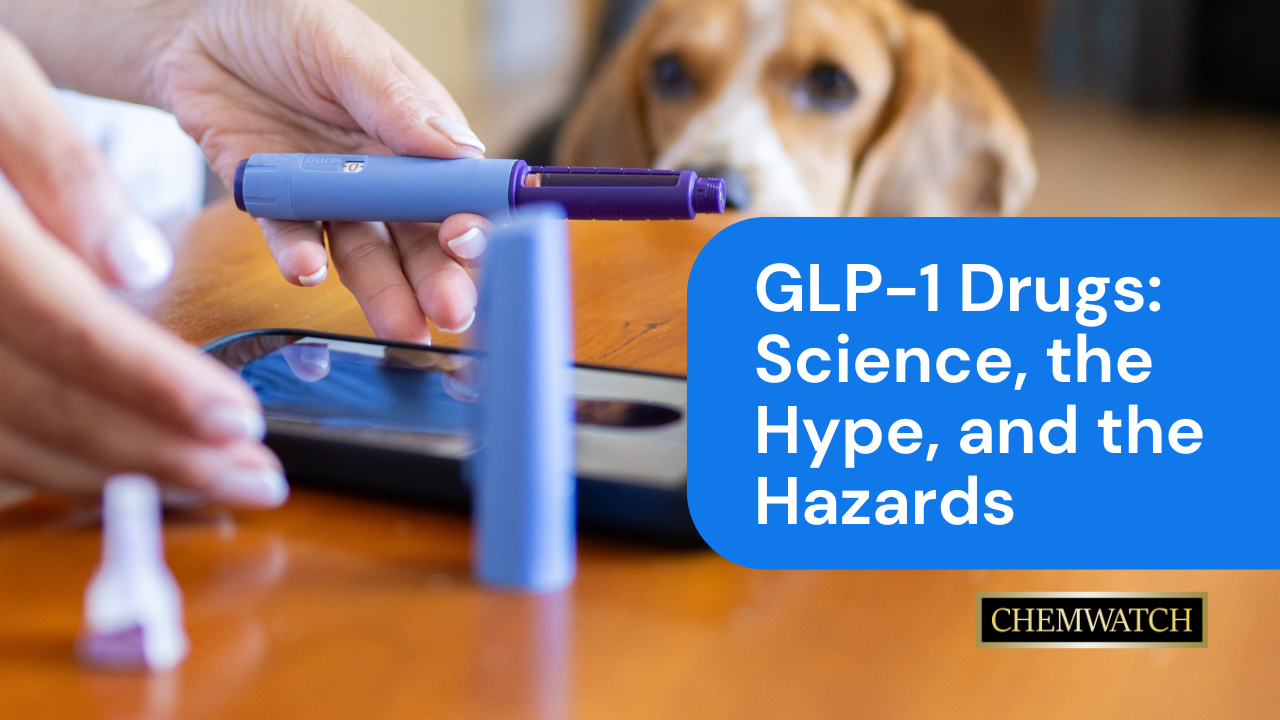
GLP-1 drugs were designed to manage blood sugar in people with type 2 diabetes. Today, GLP-1 weight loss drugs are among the most talked-about medicines in the world, fuelled by celebrity culture, online hype, and a rapidly growing grey market. That visibility matters because the conversation isn’t only about results; it’s also about GLP-1 drug side effects, evolving GLP-1 drug regulations, and emerging GLP-1 safety risks when these medicines are used outside controlled, clinical pathways.
Below, we break down what GLP-1 drugs are, why semaglutide and tirzepatide dominate headlines, where safety risks are rising (especially from compounded GLP-1 drugs and counterfeit Ozempic), and what to watch as regulators tighten oversight.
GLP-1 drugs (GLP-1 receptor agonists) mimic a natural gut hormone involved in blood sugar control and appetite regulation. They reduce blood glucose by stimulating insulin release, suppressing glucagon, and slowing gastric emptying, often lowering appetite as a downstream effect.
The best-known examples include semaglutide and tirzepatide, alongside older agents like liraglutide. While originally developed for diabetes, some have been approved for chronic weight management after trials showed significant weight loss outcomes, driving the global rise of GLP-1 weight loss drugs.
Across major markets, GLP-1 drugs remain prescription-only. But demand, cost, and intermittent shortages have contributed to a “parallel” supply chain: online sellers, unverified imports, and compounded GLP-1 drugs produced outside standard manufacturing controls.
This is where many of the most serious GLP-1 safety risks appear, because risk isn’t only about the molecule; it’s also about dosing accuracy, quality control, contamination risk, and traceability.
supplied as vials and syringes rather than pre-measured pens, increasing the risk of incorrect self-administration. The original copy notes regulators have documented a large number of adverse events linked to compounded formulations, with some cases involving doses far above intended levels.
The risk extends beyond compounding. Counterfeit Ozempic and other fake GLP-1 products have been seized in multiple countries, and there have been reports of fake pens entering legitimate supply chains. For consumers, the danger is straightforward: unknown ingredients, possible contamination, and no reliable recourse when something goes wrong.
Like all potent medicines, GLP-1 drug side effects are real, and the risk-benefit equation changes depending on whether the user has type 2 diabetes, clinical obesity, or is using these drugs purely for cosmetic weight loss.
The original copy highlights several areas of concern increasingly discussed in clinical and public health contexts:
It’s also worth noting that rapid weight loss itself can change appearance and wellbeing, which has contributed to public discussion of “Ozempic face” and follow-on cosmetic interventions.
It’s easy for online discourse to flatten nuance into “miracle drug” vs “dangerous trend.” The reality is more conditional:
From a chemical and pharmaceutical compliance standpoint, GLP-1 medicines are becoming a complex governance issue. The rise of compounded GLP-1 drugs, counterfeit supply chains, and off-label use has driven regulatory warnings and enforcement activity. Regulators continue to emphasise the importance of licensed prescribers, verified pharmacies, and legitimate supply chains in dispensing GLP-1 medicines.
The emerging compliance challenge isn’t limited to clinics. As semaglutide and tirzepatideappear in non-clinical contexts (including online “peptide” marketplaces), organisations managing chemical inventories and procurement controls may need clearer guardrails around sourcing, storage, and documentation.
GLP-1 drugs represent a real advance in metabolic medicine. But the normalisation of GLP-1 weight loss drugs as lifestyle tools, especially when combined with compounded GLP-1 drugs and the spread of counterfeit Ozempic, creates a gap between intended use and real-world practice. That gap is where the most serious GLP-1 safety risks and preventable harms tend to emerge.
As potent compounds like semaglutide and tirzepatide move beyond tightly controlled clinical settings, the need for disciplined documentation and supply-chain visibility increases. Chemwatch supports organisations with chemical safety governance tools that strengthen sourcing controls, documentation workflows, and compliance readiness, helping teams keep records current, assess risk when materials change, and maintain clearer oversight when regulated substances appear in new contexts.
Resources