
Featured this week
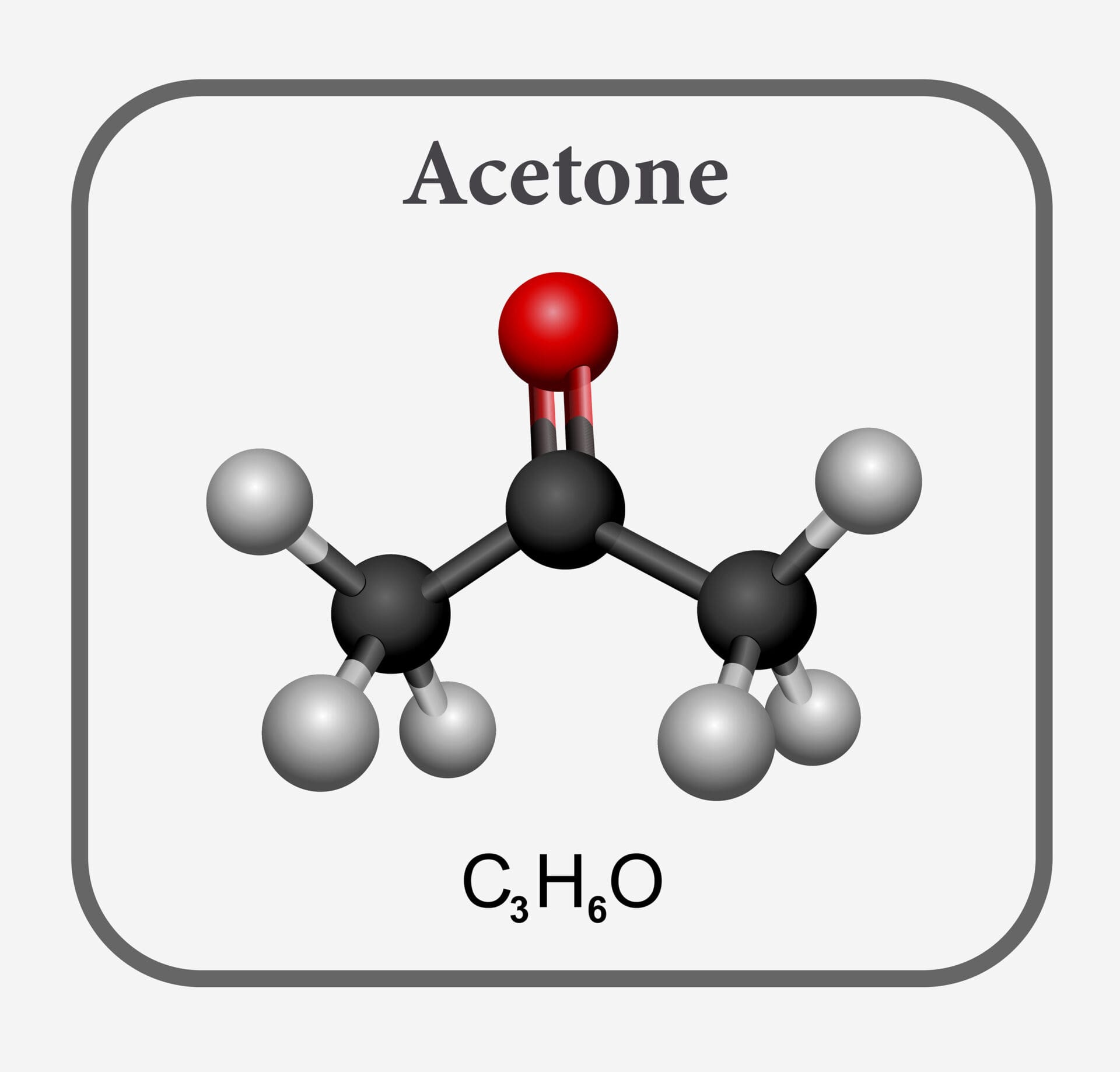
Acetone (also known as propanone, dimethyl ketone, 2-propanone, propan-2-one and β-ketopropane) is a common industrial solvent and the simplest representative of the ketone group of solvents with the molecular formula CH3COCH3. A colourless, flammable liquid at room temperature, it occurs naturally and is also chemically synthesised. Acetone is miscible with water, ethanol, and ether and itself serves as an important solvent. [1]
It can polymerise rapidly due to heating and under the influence of air, light and on contact with a catalyst, strong oxidisers and metals such as copper and aluminium, with fire or explosion hazard. As a gas mixed with air, acetone is a fire and explosion hazard. On standing, acetone can form peroxides, which may then explode. Acetone will react with iron and steel in the presence of moisture. It is also capable of dissolving plastic glasses frames, jewellery, pens and pencils, rayon stockings and other rayon garments. [2]
Acetone is also produced and disposed of in the human body through normal metabolic processes. It is normally present in blood and urine. People with diabetes produce it in larger amounts. [3]