1,3-Butadiene (C₄H₆) is a colourless, flammable, non-corrosive gas with a mild gasoline-like odour. It is slightly soluble in water, more soluble in methanol and ethanol, and highly soluble in organic solvents like cyclohexane. Produced through petroleum processing.
What is 1,3-Butadiene used for?
Mainly used in:
Synthetic rubber production
Plastic & acrylic manufacture
Tyre products (e.g., hoses, belts, gaskets)
Chemical intermediate (e.g., for fungicides, latex adhesives)
Other applications: nylon carpet backing, paper coatings, electrical components, luggage
Trace amounts in petrol
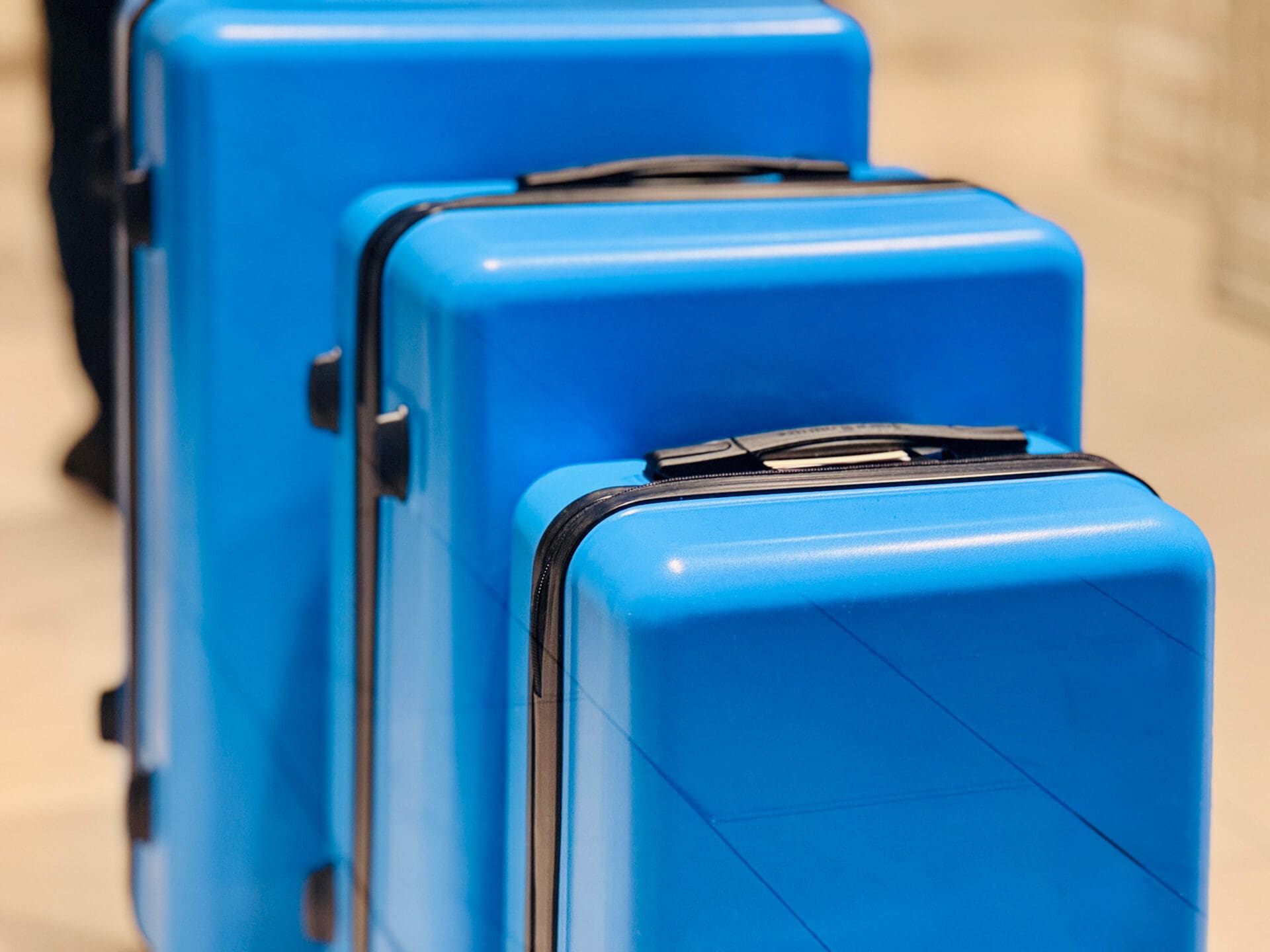
1,3-Butadiene is used in the production of synthetic materials found in some types of luggage.
Sources of Emission & Route of Exposure
Sources of Emission
Industry: Petroleum refining, synthetic material manufacturing, oil/gas extraction
Natural: Emitted during incomplete combustion of biomass (bushfires, wood, tobacco)
Transport: Vehicle exhaust
Diffuse: Tobacco smoke, agricultural burning
Consumer Products: Not present in finished goods, but released when burnt (e.g., plastic, rubber)
Routes of Exposure
Inhalation of urban/suburban air (higher near facilities or in polluted cities)
Workplace inhalation in chemical, rubber, or plastic plants
Breathing air near car/truck exhausts, wood fires, or cigarette smoke
Drinking contaminated water near production/waste sites
Minor ingestion from plastic/rubber containers
Skin contact and inhalation of gasoline fumes
Health Effects
Acute Effects
Irritation: Eyes, nose, throat, lungs
Neurological symptoms (at high levels): Headache, fatigue, blurred vision, vertigo
Skin contact: May cause burning/frostbite sensation
Animal studies: Low acute toxicity in rats and mice
Chronic Effects
Humans: One epidemiological study reported that chronic (long-term) exposure
to 1,3-butadiene via inhalation resulted in increased risk of cardiovascular disease. While other studies revealed possible blood disorders
Animals: Effects on respiratory, cardiovascular, hepatic, and hematologic systems
Chronic RfC (EPA): 0.002 mg/m³ (based on reproductive effects in mice)
Epidemiology: Elevated leukaemia risk in synthetic rubber workers
Other cancers: Respiratory, bladder, stomach, lymphatic (associations seen, causality unclear)
Animals: Tumours at multiple sites from inhalation
Mechanism: Metabolised into genotoxic compounds in animals & humans
EPA Classification: Carcinogenic to humans (via inhalation)
Safety
First Aid Measures
Eye Contact: Remove contact lenses if present. Rinse eyes with water for at least 15 minutes, lifting eyelids occasionally. Seek immediate medical attention.
Skin Contact: Flush affected area with water for at least 15 minutes, removing contaminated clothing. Soak clothing with water first to prevent static ignition. Wash clothes before reuse. Seek immediate medical attention.
Frostbite: Gently warm the affected area. Seek medical attention.
Inhalation: Move person to fresh air. If not breathing, provide artificial respiration or oxygen (trained personnel only). Loosen tight clothing. Seek immediate medical help.
Ingestion: Not applicable—product is a gas. Refer to inhalation protocol.
Note for Rescuers: If fumes are suspected, use self-contained breathing apparatus (SCBA). Do not give mouth-to-mouth resuscitation without protection.
Fire Hazard Information
Flammability: Extremely flammable
Auto-ignition temperature: 419.85°C (787.7°F)
Hazards: Ignites in presence of flames, sparks, static discharge, and oxidisers
Combustion products: May release CO and CO₂
Fire response:
Use water spray, foam, or dry chemical
If flow can't be shut off, allow gas to burn
Apply water to cool surrounding area
Protective Equipment: Firefighters must wear SCBA and full protective gear
Exposure Controls & Personal Protection
Engineering Controls
Ensure adequate ventilation
Use process enclosures and local exhaust ventilation
Maintain airborne levels below exposure limits
Use explosion-proof ventilation equipment
Keep gas/vapour below lower explosive limits
Personal Protective Equipment
Eye Protection: Safety eyewear compliant with approved standards for splash/mist protection
Skin Protection: PPE selected based on task-specific risk assessment (e.g., chemical-resistant clothing)
Respiratory Protection: Use air-purifying or air-fed respirators when required, based on exposure level and hazard
Hand Protection: Wear chemical-resistant gloves conforming to relevant standards
Large Spill Response: Use a self-contained breathing apparatus (SCBA) to prevent inhalation of hazardous gas
Regulation
United States
OSHA: Occupational Safety & Health Administration has set a Permissible Exposure Limit (PEL) of 1ppm TWA for 1,3 butadiene and a short term exposure limit of 5 ppm
ACGIH: The American Conference of Governmental Industrial Hygienists has established a Threshold Limit Value (TLV) of 4.4mg/m3
Australia
Safe Work Australia: Eight-hour time weighted average (TWA) exposure limit for 1,3 butadiene is 10 parts per million in air. Safe Work Australia has determined that 1,3-Butadiene is a probable carcinogen.
As scientists who evolve with technology we treat innovation as a way of life, a life we dedicate to improvement and advancement of Safety, Health and Environment.