Methane is a colourless, odourless, and extremely flammable gas that can be explosive when mixed with air. Also known as methyl hydride, methane may also exist as a liquid when refrigerated. It is emitted from several natural and human-related sources and is the primary component of natural gas. The chemical formula for methane is CH₄.
Natural sources of methane include:
Permafrost
Termites
Oceans and freshwater bodies
Wildfires
Mud volcanoes
Decaying matter in wetlands
Digestive processes of animals
Underground and underwater methane clathrates
What is Methane used for?
Used in industrial chemical processes and transported as liquefied natural gas (LNG)
Distributed via gas pipelines as the principal component of natural gas
Burned in gas turbines or steam boilers to generate electricity
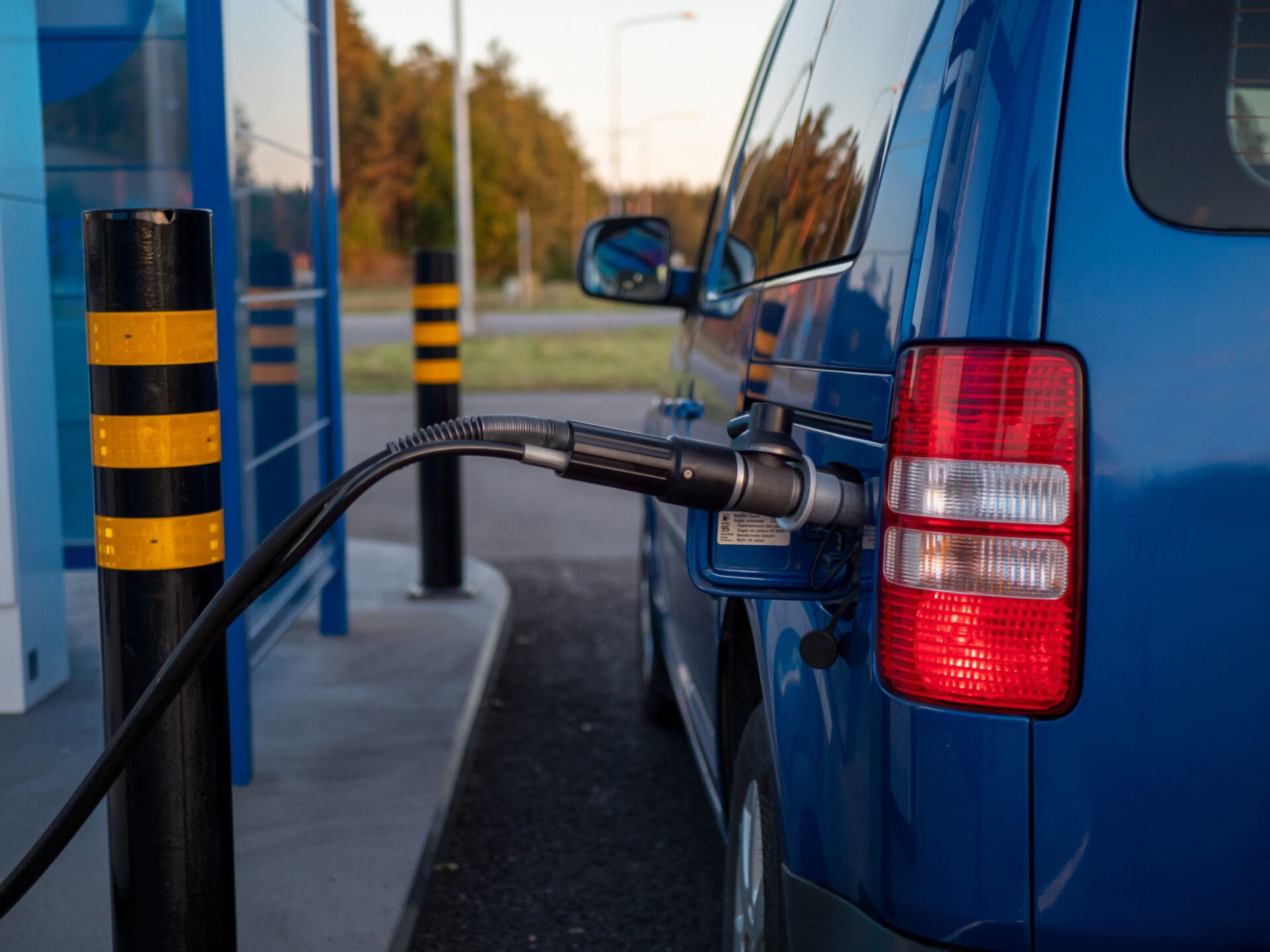
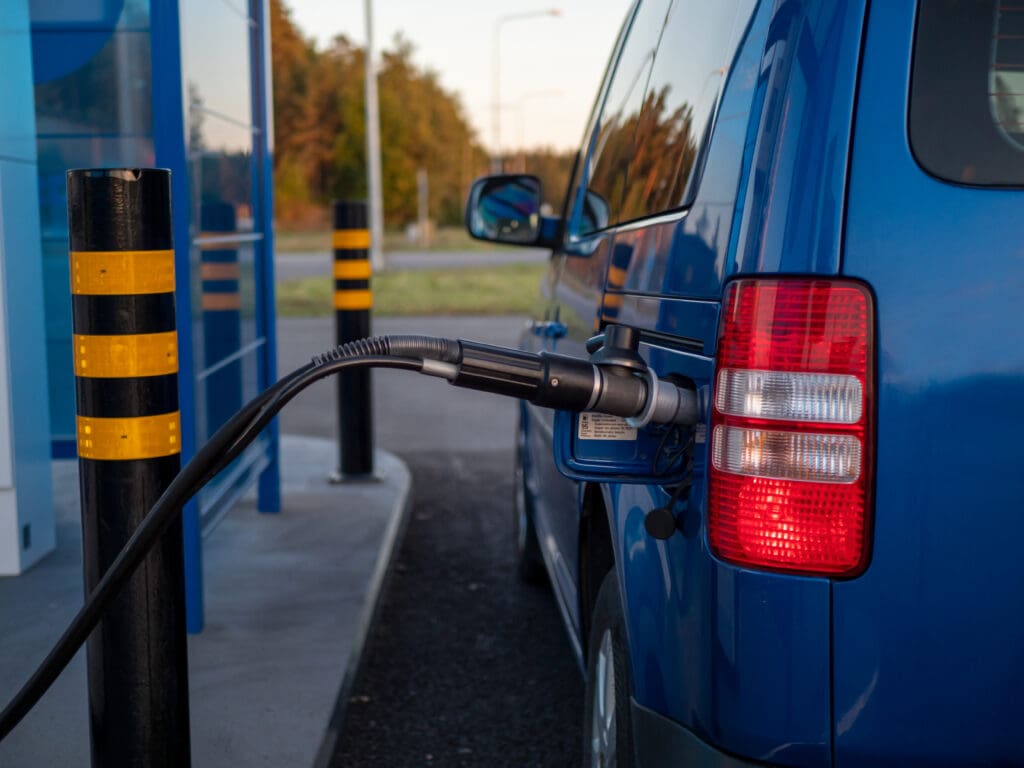
Used as compressed natural gas (CNG) in vehicles; considered more environmentally friendly than gasoline or diesel
LNG is used for easier storage and transport
Liquid methane is explored as a potential rocket fuel
Converted to synthesis gas (carbon monoxide and hydrogen) through steam reforming
Used in the Haber-Bosch process for synthesising ammonia
Undergoes free-radical chlorination to produce chloromethanes
Methane is used as compressed natural gas (CNG) in vehicles.
Sources and Routes of Exposure
Sources of Exposure
Inhalation: Common in homes (via sewer traps, foundation cracks), workplaces, or confined spaces (e.g. silos, septic tanks, manholes)
Ingestion: Rare, but possible through contaminated drinking water or food
Skin Contact: Not readily absorbed through intact skin; however, liquefied methane can cause cold burns or frostbite
Routes of Exposure
Inhalation
Skin and eye contact with the refrigerated liquid
Health Effects
Acute Effects
Inhalation: Low levels are harmless; high levels displace oxygen, leading to:
Rapid breathing and heart rate
Fatigue, clumsiness, emotional changes
Nausea, vomiting, collapse, coma, or death
Skin Contact: Gas is not irritating, but liquid methane can cause frostbite (numbness, burning, stiffness, blisters)
Eye Contact: Can cause freezing and permanent damage or blindness
Ingestion: Not applicable for gaseous methane
Chronic Effects
Methane has no known chronic health effects
Cancer Risk
Methane is not classified as a carcinogen
Safety
First Aid Measures
Inhalation: Move victim to fresh air; administer oxygen if trained; call emergency services
Skin Contact (liquefied gas): Do not rewarm on site; remove restrictive clothing carefully; seek immediate medical help
Eye Contact (liquefied gas): Flush briefly with lukewarm water; cover both eyes; call for emergency medical assistance
Ingestion: Not relevant
Fire Hazards & Extinguishing Media
Flammable properties: Easily ignites, forms explosive mixtures with air, ignitable by static discharge
Suitable extinguishing media: Dry chemical powder, high-expansion foam
Unsuitable media: Carbon dioxide, low-expansion foams, direct water jets
Specific Hazards for Methane
Gas or vapour may travel a considerable distance to a source of ignition and flash back to a leak or open container.
Gas or vapour may accumulate in hazardous amounts in low-lying areas especially inside confined spaces, resulting in a health hazard. Methane can displace oxygen in the air, causing suffocation.
Direct addition of water to liquefied gas will cause flash vaporisation resulting in an explosion (either immediately or delayed) known as a "boiling liquid, expanding vapour explosion (BLEVE)".
Heat from fire can cause a rapid build-up of pressure inside cylinders. Explosive rupture and a sudden release of large amounts of gas may result. Cylinder may rocket.
In a fire, the following hazardous materials may be generated: very toxic carbon monoxide and carbon dioxide.
Exposure Control & Personal Protection
Engineering Controls
Use local exhaust ventilation if general ventilation is not adequate to control the amount in the air.
Use non-sparking ventilation systems, approved explosion-proof equipment, and intrinsically safe electrical systems in areas where this product is used and stored.
Do not allow product to accumulate in the air in work or storage areas or in confined spaces.
For large-scale use of this product: Use stringent control measures such as process inclosure to prevent product release into the workplace.
As scientists who evolve with technology we treat innovation as a way of life, a life we dedicate to improvement and advancement of Safety, Health and Environment.